Roof Leak Repair in Joshua, TX
Finding where the water is actually getting in — which is almost never directly above the stain on your ceiling — and fixing that, rather than sealing the nearest thing and hoping.
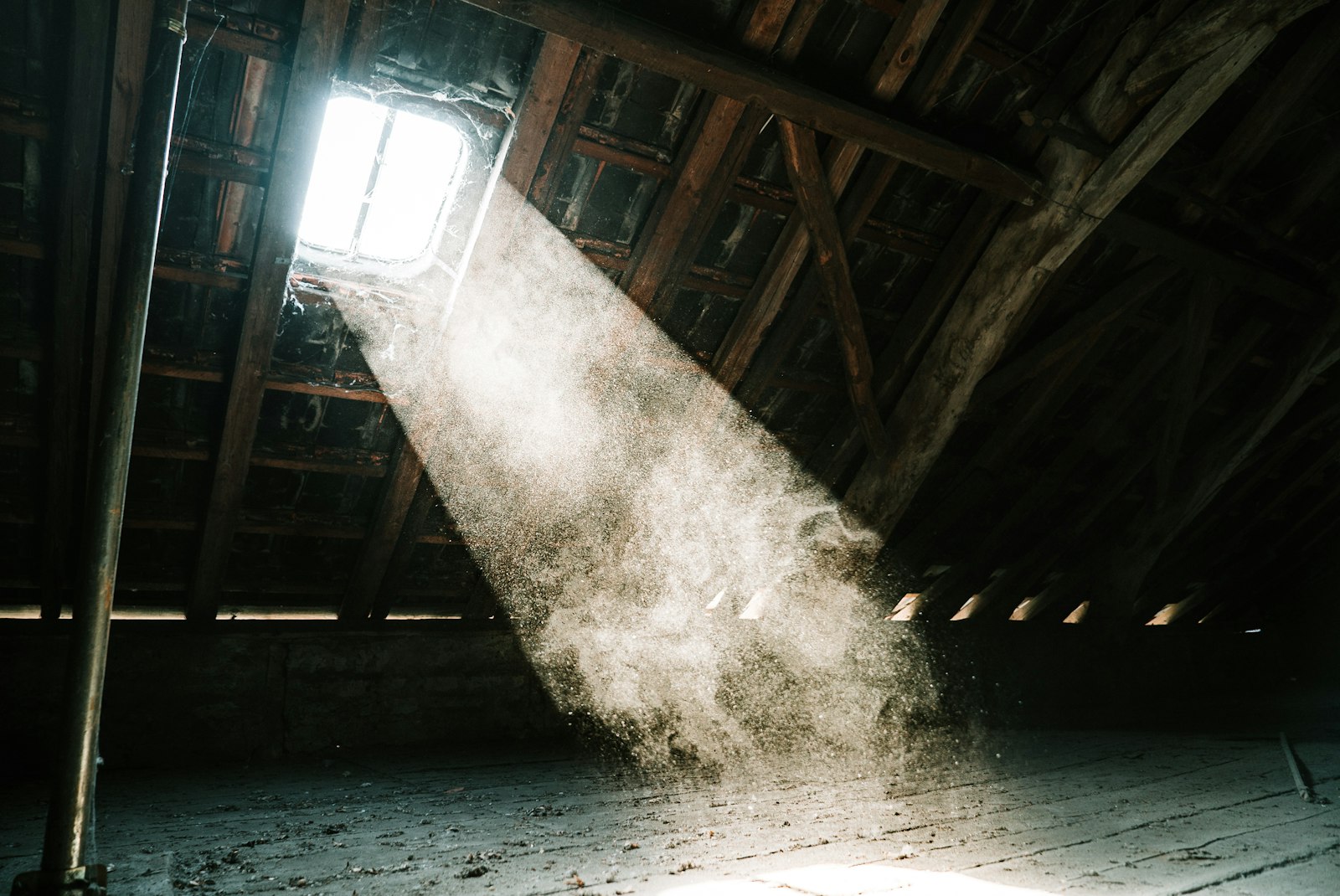
Water does not fall straight down through a roof. It gets in at a failure, runs along the top of the decking, tracks down a rafter, crosses to another rafter at a brace, and drops through the ceiling somewhere entirely different. That is why so many leak repairs fail: somebody sealed the area above the stain, which was never the entry point.
Tracing a leak properly means working backwards from the symptom, through the attic where there is access, up to the entry, and then confirming it. It takes longer than a tube of sealant and it is the difference between a leak that is finished and a leak that comes back at the next storm.
Where leaks actually start
- Pipe boots — the single most common source on roofs in this age bracket, where the rubber collar has split from UV.
- Valleys, especially closed-cut valleys that were installed tight or without a liner.
- Wall and chimney flashing, and anywhere somebody used caulk where step flashing belonged.
- Nail holes and backed-out nails, including from a previous repair or a satellite mount.
- Ridge vents and turbine bases that have loosened in wind.
- Wind-driven rain intrusion at the eaves and rake edges, which behaves like a leak only in specific storms.
How a leak trace runs
- 01You tell us where the water shows, when it shows, and whether it only happens in certain weather — that last detail narrows it more than anything else.
- 02We inspect the attic where access allows, following the staining on the underside of the decking back towards the entry.
- 03We inspect the roof above that area and photograph the candidate failures.
- 04We repair the entry point, photograph the fix, and where the symptom is intermittent we tell you what we would want to see after the next real rain.
Water coming in right now?
Describe what you are seeing and where, and we will tell you straight whether it needs someone today.
What you get in writing
- Photographs of the entry point, not just the ceiling stain
- An itemised price for the repair
- A written note of anything else on the roof heading the same way
- A workmanship warranty on the repair, in writing
Leaks in Joshua, and what makes them tricky
Most of the leak calls we take around Joshua and Burleson happen in the first heavy rain after a dry stretch, and a good number of them are intermittent — nothing for months, then water during one particular storm. That pattern almost always means wind direction is involved, which points at flashing or an edge rather than a hole in the field. Homes with a second-storey elevation dropping onto a lower roof are the other recurring one: that junction is a step-flashing detail, it is often the first thing a previous owner had sealed, and sealant on that joint has a shelf life measured in a couple of summers.
Questions about roof leaks
Stop guessing where it is coming from
We trace it back to the entry point and fix that, and you get the photographs of both.